
The conversation usually breaks down long before the argument. It happens when you say “I’m fine” while hoping your partner notices you are hurt. When you rehearse a boundary for days, then soften it the moment someone pushes back. When a simple question from a colleague makes your chest tighten because you fear sounding difficult, needy, or unprepared. A relationship communication coach helps you change these moments at their source – so you can speak honestly without turning every important conversation into a crisis.
Communication struggles are rarely about not having enough words. More often, they are about what happens inside you when the stakes feel high. Fear of rejection can make you go quiet. Old family roles can make you over-explain. A history of conflict can make a neutral comment sound like criticism. The result is painful but familiar: repeated arguments, distance after disagreements, unclear expectations, and the lonely feeling of not being understood by people who matter most.
What a Relationship Communication Coach Helps You Change
A relationship communication coach does more than offer scripts for difficult conversations. Scripts can be useful, especially when you have no idea how to begin. But a lasting shift requires you to understand your emotional patterns, communicate your needs clearly, and stay connected to yourself while another person has a reaction.
That work can transform the situations that once felt impossible. You may learn how to tell a partner, “I want to talk about this, but I need us to slow down,” instead of withdrawing or escalating. You may learn to ask a parent to stop commenting on your choices without feeling guilty for days afterward. You may learn to give feedback at work with warmth and authority, rather than avoiding the issue until resentment affects the whole team.
Coaching can support both romantic and professional relationships because the underlying challenges are often similar. The person who struggles to state a need in a marriage may also struggle to advocate for themselves in a meeting. The leader who becomes defensive during feedback may recognize the same pattern in family conflict. Clear communication is not a performance you put on for one part of life. It is a way of relating.
From emotional reaction to conscious response
When emotions rise, most people rely on protective habits. Some pursue, asking more questions and demanding resolution immediately. Some retreat, becoming quiet, distracted, or emotionally unavailable. Others become critical, sarcastic, agreeable, or overly rational. None of these responses mean you are broken. They often began as intelligent ways to protect yourself.
The problem is that protection can become a prison when it is your only option. Coaching creates space between the trigger and the response. You begin to notice what your body is telling you, name the story you are making up, and choose language that reflects what you truly want to create: clarity, respect, closeness, or a firm limit.
This is where emotional intelligence becomes practical. Instead of saying, “You never listen,” you might say, “When I’m interrupted, I lose confidence in sharing what I need. Can we let each other finish before responding?” The second statement does not guarantee agreement, but it makes connection and accountability more possible.
From vague needs to clear boundaries
Many conflicts continue because both people are trying to be understood without being specific. “I need more support” can mean emotional reassurance, help with household responsibilities, uninterrupted time together, or a partner who follows through on plans. If the need remains undefined, the other person may keep missing the mark despite good intentions.
A coach helps you turn emotional fog into a clear request. You practice identifying what happened, how it affected you, what you need, and what you are asking for now. This is not about controlling another person’s behavior. It is about giving them an honest opportunity to understand your experience while also honoring what is and is not acceptable to you.
Boundaries are especially important here. A boundary is not a threat, a punishment, or a demand that someone become a different person. It is a clear statement of what you will participate in. For example: “I’m willing to discuss this, but I won’t continue if we are yelling. I’ll take a break and come back at 7:00.” That kind of clarity can resolve conflicts with ease over time because it replaces chaos with a dependable structure.
When Coaching Is More Helpful Than Another Conversation
There is a difference between a relationship having problems and a relationship having no workable way to address them. You may benefit from communication coaching when the same issue keeps returning in a different disguise, when one person consistently shuts down, or when conversations become so loaded that both people enter them expecting harm.
It can also be valuable when nothing looks dramatically wrong from the outside. Perhaps you and your spouse are functional but no longer feel emotionally close. Perhaps dating leaves you anxious and guarded, even when you meet someone you like. Perhaps you are successful at work but freeze during networking, interviews, or difficult leadership conversations. These are not small concerns. They shape your confidence, choices, and sense of belonging.
A coach can be particularly useful if you are willing to look at your own contribution without carrying all the blame. You cannot communicate someone else into being respectful, available, or accountable. You can learn to recognize their patterns sooner, make grounded choices, and express yourself in a way that does not abandon your values.
If there is coercion, intimidation, abuse, or fear for your physical safety, coaching is not a substitute for specialized safety planning, legal guidance, or trauma-informed mental health support. In those situations, your safety comes first. For other relational challenges, coaching can provide focused education and practice that helps you move from insight into real-life change.
What the Coaching Process Can Look Like
Good communication coaching is active. You do not only describe what happened in the argument. You examine the moment it shifted, identify the emotions underneath it, and practice a different response that sounds like you. The goal is not to become endlessly calm or perfectly polished. The goal is to become more present, direct, compassionate, and resilient.
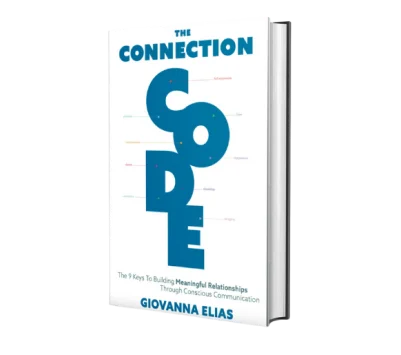
In a structured approach such as The Connection Code™, communication is treated as a set of learnable skills rooted in self-awareness and meaningful human connection. You may explore how your language, beliefs, nervous system, boundaries, listening habits, and nonverbal presence work together. This whole-person approach matters because confidence is not created by memorizing a clever phrase. It grows when your words, body, and intentions begin to align.
You might rehearse how to initiate a repair conversation after a painful fight. You may prepare for a family dinner where certain topics always lead to tension. You may refine the way you communicate expectations to an employee or ask your manager for what you need. Between sessions, the most meaningful work happens in everyday interactions, where new choices gradually become familiar.
Progress is not always linear. At first, clear communication can feel uncomfortable because it asks you to stop performing the role of peacemaker, mind reader, or person who never needs anything. Some relationships may improve quickly when you change the tone and structure of conversations. Others may reveal difficult truths about compatibility, reciprocity, or respect. Both outcomes can bring you closer to a life built on honest connection.
How to Choose the Right Relationship Communication Coach
Look for someone who balances compassion with practical direction. You deserve to feel seen, but you also need tools you can use when the conversation is happening, not just insights you understand afterward. Ask whether the coach works with conflict resolution, emotional regulation, boundaries, listening, and communication in both personal and professional settings if those areas overlap in your life.
Consider their approach to accountability as well. The right coach will not encourage you to blame yourself for another person’s choices, nor will they simply validate every reaction without helping you grow. They should help you recognize patterns with honesty and kindness, then guide you toward new behavior that supports the relationships you want.
Finally, pay attention to how you feel in the conversation. You do not need a coach who agrees with everything you say. You need someone who makes it possible to be truthful, challenges you with care, and helps you transform awkwardness into confidence without losing your humanity.
The next difficult conversation does not have to be a test you dread. It can be one small opportunity to pause, tell the truth with compassion, and let your voice become a place where deeper connection begins.