
The first few minutes of a date can make even a confident professional forget how to form a sentence. You may be able to lead a meeting, negotiate a contract, or support a friend through a hard moment, yet suddenly find yourself wondering whether you are talking too much, not enough, or saying the wrong thing. The most effective communication tips for first dates are not about becoming more impressive. They are about becoming more present.
A meaningful first date is not an audition for a relationship. It is a conversation between two people discovering whether they feel safe, curious, and energized in one another’s presence. When you release the pressure to perform, you create room for something far more compelling: genuine connection.
Communication Tips for First Dates: Start With Presence
Before you worry about the perfect opening question, notice what is happening inside you. First-date nerves often create a self-protective loop: you monitor every word, predict rejection, and become less available to the person in front of you. That inner pressure can make a warm, intelligent person seem distant or overly rehearsed.
Take a few slow breaths before you walk in. Feel your feet on the ground. Set a simple intention such as, “I want to be curious and kind,” rather than, “I need this person to like me.” This small shift changes the energy of the conversation. You are no longer trying to earn approval. You are participating in a mutual experience.
Presence also means putting your phone away. A quick glance at a screen may feel harmless, but it can signal distraction or discomfort. If you genuinely need to check it, say so directly: “I’m waiting to hear from my sister, but I’m happy to put this away now.” Clear communication builds trust, even in small moments.
Ask Questions That Invite a Real Person Forward
“What do you do?” is a reasonable place to begin, but it rarely reveals much beyond a job title. Better questions invite stories, values, and personality. Instead of moving through a checklist, listen for the detail that has energy behind it and follow that thread.
If they mention hiking, you might ask what kind of place makes them feel most alive. If they talk about work with frustration, ask what they wish more people understood about their field. If they describe a recent trip, ask what surprised them. These questions are not meant to be intense. They simply communicate, “I am paying attention to who you are, not just collecting facts about you.”
There is a balance here. A first date should not feel like an interview, therapy session, or interrogation. Share your own answer after you ask a question. Connection grows through reciprocity. If you ask what makes them feel most at home, offer your own response too. Let the conversation breathe between curiosity and self-disclosure.
Follow the Feeling, Not Just the Facts
People may forget the exact topics you covered, but they remember how it felt to speak with you. When someone shares something meaningful, reflect the emotion beneath the story. “That sounds like it was a big turning point for you,” lands differently than immediately changing the subject or offering a solution.
This does not require you to agree with everything they say. It asks you to acknowledge their experience before adding your perspective. Emotional intelligence on a first date looks like listening to understand, not listening for your turn to speak.
Share Honestly Without Oversharing
Authenticity is attractive, but authenticity is not the same as disclosing your entire emotional history before the appetizers arrive. A first date is an introduction, not a demand for instant intimacy. You can be real while allowing trust to develop at a healthy pace.
For example, saying, “I’ve learned that clear communication matters a lot to me in relationships,” is honest and grounded. Detailing every betrayal, breakup, or family conflict may ask a new person to hold more than the moment can support. The difference is not whether a topic is serious. It is whether you are sharing from self-awareness or from an unprocessed need to be rescued, validated, or understood immediately.
If a sensitive topic comes up, pause and ask yourself: am I sharing because it feels aligned, or because silence makes me anxious? You are allowed to say, “That is a meaningful story, and I’d rather share more about it once we know each other better.” Boundaries do not block intimacy. They create the conditions for it.
Let Silence Be Part of the Conversation
Many people rush to fill every quiet moment because they fear awkwardness. Yet a brief pause is not evidence that the date is failing. It may mean one of you is thinking, enjoying the atmosphere, or deciding what feels true to say next.
When silence appears, resist the urge to panic-talk. Take a sip of water, smile, or simply let the pause exist for a few seconds. If you want to restart the conversation, use what is already around you. Comment on the music, the food, or something your date mentioned earlier. The goal is not constant stimulation. It is comfort with being human together.
This is especially valuable for people who tend to overfunction in relationships. You do not have to carry the entire emotional weight of the date. Notice whether the other person also asks questions, offers stories, and helps create momentum. Mutual effort is information.
Communicate Interest Clearly and Respectfully
Playing hard to get can create confusion where clarity would create ease. If you are enjoying yourself, let the other person know. A simple “I’m really glad we did this” or “I’ve enjoyed hearing about that” is warm, direct, and emotionally mature.
Clear interest does not mean forcing chemistry or making promises you cannot keep. It means allowing your words to match your experience. If you are uncertain, you can still be gracious: “I had a nice time and I’m glad we met.” You do not owe anyone certainty after one date, but you do owe yourself the freedom to communicate without games.
Pay attention to nonverbal communication as well. Open posture, relaxed eye contact, and an attentive expression can help another person feel received. At the same time, do not override your own comfort to appear agreeable. If physical closeness or a personal question feels too fast, honor that signal.
Practice Consent as a Conversation, Not a Guess
Respectful communication around physical contact is both simple and deeply meaningful. Ask. “Would you like a hug?” “Can I hold your hand?” “Would you like to kiss?” These questions do not ruin the moment. For many people, they make the moment safer, more confident, and more connected.
Consent also includes emotional boundaries. If your date presses for information you do not want to share, you can redirect without apology. Try, “I’m not ready to get into that yet, but I’m happy to tell you about…” A person who responds well to a boundary is showing you something important.
Stay Curious When You Notice a Difference
A first date may reveal differences in lifestyle, politics, family values, faith, ambition, money habits, or communication style. Not every difference is a dealbreaker, and not every difference should be minimized. The key is to remain curious long enough to understand what the difference actually means.
Rather than reacting with judgment, try a question such as, “What led you to see it that way?” or “How does that show up in your everyday life?” You may discover a perspective that broadens your own. You may also recognize a core incompatibility. Both outcomes are useful.
Do not abandon your values to avoid tension. Conscious communication is not about agreeing with everyone. It is about expressing yourself with clarity and compassion. You can say, “I see that differently,” without becoming defensive or making the other person wrong.
Notice How You Feel, Not Only How You Are Evaluated
At the end of a date, many people ask, “Did they like me?” A more empowering question is, “How did I feel when I was with them?” Did you feel relaxed enough to be yourself? Did you feel heard? Were you curious to know more? Did the conversation have reciprocity, respect, and emotional steadiness?
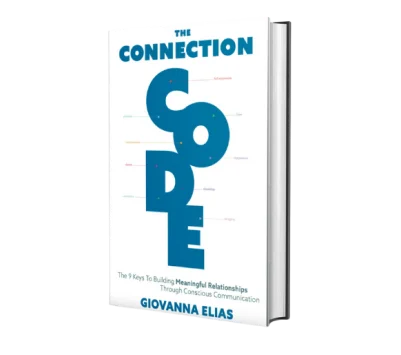
This reflection helps you move from approval-seeking to discernment. It is a foundational shift in The Connection Code™: communication becomes less about managing another person’s response and more about honoring your own voice, boundaries, and relational needs.
If you want a second date, communicate it simply within a reasonable time. If you do not, be kind and direct rather than disappearing. A message such as, “I enjoyed meeting you, but I didn’t feel the connection I’m looking for. I wish you well,” may feel uncomfortable to send, yet it demonstrates the same integrity you want to receive.
The right first date is not the one where every sentence lands perfectly. It is the one where you leave feeling more connected to yourself – clear in your values, open in your curiosity, and proud of how you showed up.