
The conversation you rehearse for three days often goes one of two ways: you say nothing and carry the resentment, or you finally speak and the room becomes tense. Maybe it is a difficult conversation with your partner, a boundary with a parent, feedback for an employee, or an introduction at a networking event. Are communication coaches effective in these moments? They can be, especially when coaching helps you change the patterns beneath your words, not simply memorize a better script.
Communication is not just a professional skill or a relationship skill. It is the bridge between what you feel, what you need, and whether another person can truly meet you. When that bridge is shaky, even loving relationships and talented careers can feel unnecessarily difficult.
What a communication coach can actually help you change
A skilled communication coach does more than tell you to make eye contact, speak slowly, or use “I” statements. Those tools can help, but they are rarely enough when your nervous system is activated, old family dynamics are playing out, or you fear rejection.
Effective coaching brings awareness to the moment before the words. You may notice that you apologize before expressing a preference, overexplain when you feel challenged, become defensive when you feel criticized, or go quiet because conflict feels unsafe. Once you can recognize your pattern, you have choices. You can pause, regulate, clarify your intention, and respond with more honesty and care.
That change can show up in deeply practical ways. A manager stops avoiding performance conversations and starts offering direct, respectful feedback. A couple replaces the same circular argument with a conversation about the hurt and need underneath it. Someone who has felt awkward at social events learns to ask genuine questions, share naturally, and stay present instead of performing.
The goal is not to become polished at all costs. It is to become clear, confident, compassionate, and connected – even when a conversation has stakes.
Are communication coaches effective for every problem?
Coaching is most effective when you are willing to practice and when the challenge falls within the scope of coaching. If you struggle to express needs, set boundaries, manage conflict, strengthen leadership presence, or feel more at ease in conversations, coaching can provide structure, insight, and accountability.
It is less likely to help if you want a quick personality transplant or expect the other person to change without changing anything yourself. Communication coaching cannot guarantee that a spouse, colleague, parent, or client will respond well. It can help you communicate in a way that is grounded, self-respecting, and more likely to invite a productive response.
There are also moments when therapy, trauma-informed mental health support, legal guidance, or workplace human-resources support is the better first step. For example, active abuse, severe anxiety, untreated trauma, harassment, or a serious mental health crisis requires appropriate clinical or safety-centered care. Good coaching respects those boundaries rather than trying to solve everything with a conversation technique.
Why insight alone rarely creates lasting results
Most people already know they should listen better, avoid interrupting, and stay calm. Yet knowing is not the same as doing. In the middle of a disagreement, the body may interpret a raised voice, a dismissive tone, or a delayed text as a threat. Your intelligent intentions can disappear beneath fight, flight, freeze, or fawn responses.
This is why the best coaching addresses communication on several levels: language, emotional intelligence, beliefs, behavior, and self-trust. You might practice a boundary statement, then explore why saying no feels selfish. You might learn a conflict-resolution framework, then recognize the childhood rule that taught you disagreement leads to abandonment. You might prepare for a job interview, then work with the inner voice that says you are not qualified to take up space.
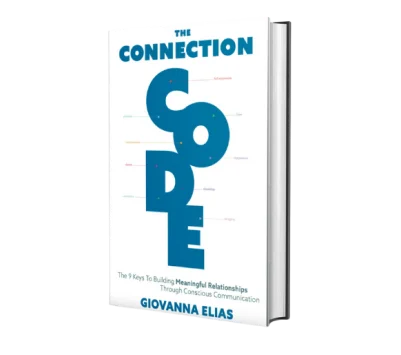
A meaningful method, such as the principles within The Connection Code™, connects these layers. It treats a tense work meeting and a painful relationship argument as different settings that may share the same root challenge: difficulty staying connected to yourself while relating honestly to someone else.
What makes communication coaching work
The relationship with the coach matters. You need enough emotional safety to tell the truth about what happens when you are triggered, including the parts you may not be proud of. You also need a coach who can be compassionate without simply agreeing with every interpretation. Growth sometimes means realizing that your delivery is harsher than you intended, your boundaries are unclear, or your silence has been communicating more than you thought.
Effective coaching is also specific. Broad advice such as “be more confident” leaves you alone with a vague goal. Strong coaching turns that goal into observable practices. For instance, you might prepare one clear request before a family dinner, use a three-second pause before responding to criticism, or replace a defensive explanation with one curious question.
Practice between sessions is where insight becomes capacity. You do not need to force yourself into a dramatic confrontation immediately. Small, repeated choices build trust with yourself: state a preference, ask for clarification, say no without a long justification, or repair quickly after a tense exchange. Over time, your new response becomes more available when pressure rises.
Finally, coaching works better when progress is measured by more than whether every conversation feels comfortable. Some healthy conversations are uncomfortable. Progress may look like expressing your truth without attacking, hearing feedback without collapsing, or leaving a difficult discussion with your dignity intact.
Signs you are getting real value from coaching
You should begin to see changes in real life, not only feel inspired during sessions. Perhaps your partner says they feel less shut out. Maybe your team brings issues to you sooner because your responses are steadier. You might notice that after a conflict, you recover in hours rather than replaying it for days.
Other signs are quieter but equally powerful. You spend less energy guessing what people mean. You stop treating every disagreement as proof that a relationship is failing. You become more able to name an emotion without making it someone else’s fault. You can ask directly for what you need and tolerate an answer you do not prefer.
Results will vary. A person preparing for presentations may feel a measurable shift within a few sessions. Untangling lifelong people-pleasing, conflict avoidance, or relational distrust can take longer. The right pace is not the fastest one. It is the pace that creates change you can sustain.
How to choose a communication coach wisely
Look for a coach whose approach matches the situation you want to transform. If your primary concern is leadership, seek someone who understands workplace power dynamics, feedback, influence, and team communication. If your pain lives mostly in dating, marriage, or family relationships, choose someone fluent in emotional safety, boundaries, repair, and attachment-related patterns.
Ask how they work. A thoughtful coach should be able to explain their process in plain language: what you will focus on, how practice is incorporated, how progress is reviewed, and where their scope begins and ends. Be cautious of guarantees that promise to make everyone like you, eliminate all conflict, or fix a relationship without participation from both people.
Pay attention to how you feel in the initial conversation. You should feel seen, challenged, and clear about the next step – not pressured, judged, or sold a fantasy. Credentials and frameworks matter, but so does the coach’s ability to listen beneath the surface of your words.
The deeper return on better communication
The strongest evidence that coaching is working is not that you never feel nervous, hurt, or frustrated again. It is that these feelings stop running the entire conversation. You learn to stay with yourself while staying in relationship.
That is a powerful shift. It can change the tone of a marriage, the health of a team, the quality of your friendships, and the confidence you bring into rooms that once made you shrink. One clear, compassionate conversation will not solve every problem. But it can be the moment you stop abandoning your voice and start using it to create the connection you have been longing for.