
The argument may start over dishes, a late text, or a comment made at a family dinner. But beneath the surface, the real pain is often much more tender: “I do not feel considered.” “I am scared you will leave.” “I do not know how to say what I need without causing another fight.” This conscious communication relationship guide is for the moments when you want to be honest without being hurtful, heard without getting louder, and close without abandoning yourself.
Conscious communication is not about finding perfect words or staying calm every second. It is the practice of bringing awareness to what you feel, what you mean, and how your words may land with another person. It asks you to pause long enough to choose connection over reaction.
That pause can transform a tense conversation with your partner, a difficult exchange with a parent, or even a strained moment with a colleague. The setting changes, but the human need remains the same: to feel safe, respected, and understood.
What Conscious Communication Changes in Relationships
Many people believe their relationship problem is conflict. More often, the problem is what happens during conflict. One person withdraws. The other pursues. Someone becomes defensive, sarcastic, controlling, or silent. Both people leave the conversation feeling unseen.
Conscious communication creates a different path. Rather than treating your partner, friend, family member, or coworker as the problem, you learn to face the problem together. You become more aware of the story your nervous system creates in a charged moment, such as “They do not care,” “I am being rejected,” or “I have to win this to be safe.” Then you communicate from the truth beneath that story.
For example, “You never listen to me” may be an expression of frustration, but it usually invites defense. A more conscious version is: “When I was interrupted earlier, I felt dismissed. I need a few minutes to finish what I am saying before we respond to each other.” The second statement is still direct. It simply gives the other person something they can understand and respond to.
This does not mean every conversation will feel easy. Honest communication can bring discomfort, especially if your relationship has been shaped by people-pleasing, conflict avoidance, criticism, or emotional shutdown. The goal is not to remove all discomfort. The goal is to make discomfort safe enough that truth can be spoken.
The Conscious Communication Relationship Guide: Start With Self-Awareness
Before you can communicate clearly with another person, you need a relationship with your own internal experience. In emotionally charged conversations, your body often reacts before your mind has organized the facts. Your chest tightens. Your voice rises. You feel the urge to leave, explain yourself repeatedly, or say something you will regret.
Notice your early signals. Maybe you start speaking faster. Maybe you go numb and cannot find words. Maybe you become overly agreeable because disagreement once felt dangerous. These patterns are not character flaws. They are learned forms of protection.
When you recognize the pattern, you gain choice. Take one slow breath. Feel your feet on the floor. Ask yourself: What am I feeling right now? What am I afraid this means? What do I actually need?
You may discover that anger is protecting disappointment, grief, embarrassment, or fear. Saying “I am angry” can be useful, but saying “I am angry because I felt unimportant when our plans changed without a conversation” offers far more clarity. It gives the relationship a real chance to repair.
Self-awareness also requires honesty about capacity. If you are flooded, exhausted, or on the edge of saying something cruel, a pause is wiser than forcing resolution. You might say, “I want to have this conversation well, and I am too activated to do that right now. Can we come back to it at 7:00?” A pause becomes avoidance only when there is no clear return.
Speak From Your Experience, Not Your Assumptions
Assumptions are fast. Connection is slower.
When your partner seems distant, you may assume they are losing interest. When your manager gives brief feedback, you may assume they doubt your competence. When a sibling does not call, you may assume they do not value you. Sometimes those assumptions are accurate. Often, they are incomplete.
Conscious communicators make room for curiosity before certainty. Instead of leading with an accusation, describe what you observed and name its impact on you. Then ask a genuine question.
Try: “We have barely talked this week, and I have been feeling disconnected. Is something weighing on you, or can we make time to reconnect?” Or: “When the project changed and I was not included in the conversation, I felt caught off guard. Can you help me understand how that decision was made?”
This approach does not make you passive. It allows you to address a concern without sentencing the other person before they have spoken. The trade-off is that curiosity can feel vulnerable. You may prefer the temporary certainty of blame. Yet curiosity is where new information, empathy, and workable solutions often begin.
Listen for the Need Beneath the Words
Listening is not waiting quietly for your turn to respond. It is the willingness to understand another person’s experience even when you disagree with their interpretation, tone, or request.
If your spouse says, “You are always working,” the words may sound like criticism. Beneath them may be a need for presence, reassurance, or shared time. If your teammate says, “I had to redo everything,” the deeper need may be reliability, respect, or clearer expectations.
You do not have to agree with every claim to acknowledge the emotion. You can say, “I hear that you felt alone this week,” or “It sounds like you felt unsupported when the deadline moved.” This kind of reflection lowers defensiveness because it tells the other person, “Your experience has reached me.”
Then make room for your own experience too. Healthy communication is not one person endlessly validating while the other dominates the conversation. It is a mutual practice of listening, speaking, and creating agreements that respect both people.
If someone regularly uses blame, intimidation, contempt, or manipulation, empathy alone will not solve the pattern. Conscious communication includes discernment. You can care about someone’s feelings and still say, “I am willing to talk about this, but I will not continue while I am being insulted.”
Make Clear Requests and Strong Boundaries
Vague hopes create repeated disappointment. Many relationship conflicts continue because one person expects the other to infer what they need.
A request is specific, actionable, and open to a real response. “Be more supportive” is hard to act on. “Can you ask me how the presentation went tonight and give me ten minutes to talk without offering solutions?” gives the other person a clear way to show care.
A boundary is different. It is not a demand that controls someone else’s behavior. It is a statement of what you will do to protect your well-being. “You cannot speak to me that way” may be true, but “If yelling begins, I will step away and return when we are both calmer” tells the other person what you will uphold.
Boundaries may disappoint people who benefited from your silence, availability, or over-functioning. That does not make the boundary wrong. It means the relationship is adjusting to a more honest version of you.
Repair Matters More Than Getting It Right
Even skilled communicators miss the mark. You may become defensive. You may use the wrong tone. You may need time before you understand why a comment hurt someone you love. The strength of a relationship is not measured by the absence of rupture. It is measured by the willingness to repair.
A meaningful repair names what happened without excuses. “I interrupted you and dismissed your concern. I can understand why that hurt. I am sorry. I want to hear what you were trying to tell me.” Notice that this does not include “but you also…” An apology that immediately redirects blame is not repair.
Repair also involves changed behavior. If the same injury happens again and again, words eventually lose their power. Choose one small practice that demonstrates your commitment: schedule a weekly check-in, put phones away during dinner, clarify expectations before a stressful work project, or take a ten-minute reset before revisiting conflict.
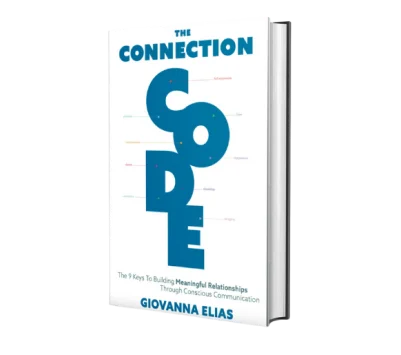
The Connection Code™ teaches that clarity and compassion are not opposites. You can be warm and direct. You can honor your emotions without making another person responsible for regulating them. You can ask for more, say no, and still remain deeply connected to who you are.
The next difficult conversation does not need a flawless performance. Let it be one honest moment of courage: slow down, name what is true, listen for what matters, and speak in a way your future self will be proud to remember.