

The moment you say yes when your body is saying no, resentment begins to build. It may look small at first: answering a work message during dinner, listening to a friend vent for an hour when you are depleted, agreeing to another family gathering you do not have the capacity to attend. But over time, these moments teach people that your needs are optional.
Learning how to set boundaries kindly is not about becoming cold, difficult, or unavailable. It is about making your limits visible before frustration has to speak for you. Clear boundaries protect your energy, make your relationships more honest, and create the conditions for genuine connection rather than silent obligation.
Why kind boundaries can feel so hard
Many people confuse kindness with accommodation. They learned that being loving means keeping the peace, being easygoing, or making sure no one feels disappointed. In a workplace, that can sound like taking on extra tasks to prove you are a team player. In a relationship, it can mean staying quiet to avoid an argument. At a family dinner, it can mean tolerating questions or criticism that leave you feeling small.
The problem is that avoiding discomfort does not resolve it. It simply transfers the discomfort to you. You may feel anxious before seeing someone, emotionally distant from a partner, exhausted after social events, or unexpectedly angry over something minor. Those reactions are often signals that a boundary was needed earlier.
A boundary is not a punishment and it is not a demand that another person change. It is a clear statement of what you will participate in, what you need, and what you will do if a limit is crossed. That distinction matters. You cannot control whether your colleague sends late-night messages, for example. You can decide that you will respond during business hours.
How to set boundaries kindly and clearly
Kindness and clarity work together. When we soften a boundary so much that its meaning disappears, we may sound polite, but we do not create understanding. When we deliver it with accusation or contempt, the other person may hear an attack instead of the limit.
A grounded boundary usually has three parts: name the situation, state your limit, and offer the next step when one is available. You do not need a long defense. In fact, overexplaining can invite a negotiation you do not want to have.
Instead of saying, “I am so sorry, I know this is probably selfish, but I have had a lot going on and maybe I cannot help this weekend,” try: “I am not available to help this weekend. I hope the event goes well.” The second response is warm, direct, and complete.
If you want to preserve connection while holding a limit, add a genuine alternative: “I cannot talk tonight, but I can call you tomorrow afternoon.” Or, “I am not able to take on this project, but I can spend 15 minutes helping you think through the first step.” An alternative is an offering, not a requirement. You do not have to create one every time.
Start with the boundaries closest to daily life
You do not need to begin with the hardest relationship in your life. Practice where the stakes are lower. Let a friend know you need to leave dinner by nine. Tell a coworker that you can review the document tomorrow, not tonight. Ask your partner for 20 minutes to decompress before discussing the day.
Small boundaries rebuild self-trust. Each time you honor a limit, you gather evidence that you can be honest and still be safe. That internal confidence makes the larger conversations less intimidating.
Pay attention to the moment before resentment. Your body often notices first: a tight chest when your phone rings, dread before opening an email, tension when a relative starts a familiar topic. Pause there and ask, “What do I need to make this interaction feel respectful?” The answer may be more time, less access, a different tone, privacy, or a simple no.
Use language that is compassionate, not apologetic
You can care deeply about someone and decline their request. You can recognize their feelings without making yourself responsible for fixing them. This is emotional intelligence in action: honoring both your humanity and theirs.
Try language such as, “I understand this matters to you, and I am not able to do that.” If a family member repeatedly raises a personal subject, you might say, “I know you are concerned about me. I am not discussing my dating life today. Let’s talk about something else.” If they continue, follow through: “I am going to step outside for a few minutes. We can reconnect when we move on from this topic.”
At work, a kind boundary can be equally straightforward: “I want to give this the attention it deserves. My current priorities mean I can complete it by Thursday, or we can discuss what should move.” This protects your workload while inviting a practical conversation about priorities.
Notice what these statements do not include: character judgments, lengthy justifications, or hidden anger. You are not saying, “You always take advantage of me,” even if you are frustrated. You are naming what you will do now. That keeps the conversation anchored in possibility rather than blame.
Expect discomfort and stay connected to your truth
A boundary can be kind and still disappoint someone. This is one of the most challenging truths for people who fear conflict. Another person’s disappointment does not automatically mean you have done something wrong.
They may be accustomed to the version of you who said yes quickly, answered immediately, or absorbed their emotions without asking for reciprocity. Your new clarity may feel inconvenient to them. Give them room to adjust, but do not rush to erase your own limit just to make the discomfort disappear.
When guilt rises, separate guilt from responsibility. Ask yourself: Did I communicate respectfully? Is this limit aligned with my values and capacity? Am I trying to prevent a feeling that belongs to someone else? If the answer is yes, yes, and yes, you can let the guilt pass without obeying it.
This does not mean every boundary should be rigid. Healthy relationships require flexibility, especially during illness, grief, emergencies, and seasons when someone you love needs additional care. The difference is choice. Flexibility feels like a conscious act of generosity; people-pleasing feels like abandoning yourself because you are afraid of the consequences.
Follow through without becoming harsh
A boundary without follow-through is only a request. If you tell a friend you cannot stay on the phone past 10 p.m., kindly end the call at 10. If you ask a coworker not to interrupt you in meetings, calmly redirect the next interruption: “I would like to finish my point, then I want to hear your perspective.”
Consistency teaches people how to relate to you. It also teaches you that your words have weight. You do not need to escalate your tone to be taken seriously. Repeat the boundary, reduce your explanation, and take the action you said you would take.
For persistent violations, stronger distance may be necessary. This can mean limiting certain topics, communicating only at particular times, declining invitations, involving a manager or HR professional at work, or stepping back from a relationship that repeatedly harms your well-being. Kindness never requires you to remain accessible to mistreatment.
A simple pause before you respond
When a request catches you off guard, give yourself permission not to answer immediately. A brief pause can prevent an automatic yes and create space for a more honest response. You might say, “Let me check my schedule and get back to you,” or “I need some time to think about that.”
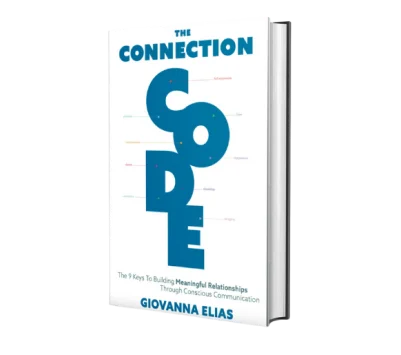
That pause is powerful because boundaries are not only about the words you say to others. They are also about the relationship you build with yourself. Through the same compassionate awareness at the heart of The Connection Code™, you learn to hear your own needs without judgment and express them without abandoning connection.
You do not have to choose between being loving and being clear. The people who can meet you in a healthy relationship will learn where you stand, what you need, and how to care for the connection with you. Start with one honest sentence today. Your voice is allowed to take up space.





Pingback: Communication Tips for First Dates That Connect – Giovanna Elias
Pingback: How to Stop Being Awkward Without Pretending – Giovanna Elias
Pingback: Emotionally Intelligent Leadership Communication – Giovanna Elias