
The moment that hurts is rarely the loudest one. It is the moment you share something tender – that you felt dismissed at dinner, overwhelmed by the household load, or sidelined in a meeting – and the other person immediately explains, defends, fixes, or changes the subject. You may be sitting inches apart, yet feel completely alone.
Learning how to feel heard in relationships is not about finding the perfect sentence that makes everyone agree with you. It is about creating conversations where your experience has room to exist, your needs can be named without apology, and both people know how to stay present when emotions rise.
That shift can transform a recurring argument with your partner, a tense family dynamic, or even a frustrating workplace relationship. But it starts with recognizing what being heard truly requires.
Feeling heard is not the same as getting your way
Many people ask to be heard when what they really need is acknowledgment. They want to know: Did you understand the impact this had on me? Does my perspective matter to you, even if you see it differently?
A partner can hear that you are lonely without agreeing that they are a bad partner. A manager can understand that a deadline felt unrealistic without changing it. A parent can recognize that a comment hurt you without sharing your memory of the event.
This distinction matters because it lowers the stakes. If being heard requires the other person to surrender their perspective, conversations quickly become battles. If it means both people are allowed to have a perspective, connection becomes more possible.
Try replacing the goal of proving your point with the goal of creating understanding. That does not make your needs smaller. It gives them a clearer path forward.
Start by hearing yourself first
When you have spent years being interrupted, minimizing yourself, or keeping the peace, you may enter difficult conversations already braced for rejection. You might overexplain, shut down, become sharp, or say “it’s fine” when it is not fine. These are not character flaws. They are protective patterns.
Before you initiate a conversation, pause long enough to identify what is happening beneath the first emotion. Anger may be covering disappointment. Anxiety may be asking for reassurance. Resentment may be signaling that a boundary has been crossed too many times.
Ask yourself three grounding questions: What happened? What meaning did I make of it? What do I need now?
For example, “You checked your phone while I was sharing about my day” is what happened. “I made it mean that what I say is not important to you” is the meaning. “I need ten uninterrupted minutes to reconnect after work” is the need.
This level of clarity changes the conversation. Instead of bringing a vague accusation such as, “You never care about me,” you can bring an honest, actionable request.
How to feel heard in relationships: make a clear request
People often say, “I just need you to listen,” but they say it after a conversation has already gone sideways. Give the other person a map before the emotional terrain gets steep.
You might say, “Can I share something that has been sitting with me? I am not looking for a solution yet. I need you to listen and reflect back what you hear first.” This is direct, compassionate, and much easier to respond to than silence, sarcasm, or a sudden emotional outburst.
When you are ready to name the issue, use language that stays close to your lived experience. A helpful structure is: “When this happened, I felt this, and what I need is this.”
For instance: “When you made that joke about me in front of your friends, I felt embarrassed and unsupported. I need us to talk privately if something is bothering you.”
This does not guarantee a perfect response. It does make it harder for the other person to get lost in defending against a sweeping claim. Specificity creates a place to begin.
Ask for reflection, not mind-reading
A simple but powerful communication tool is reflective listening. After you share, ask: “Can you tell me what you heard me say?”
This is not a test. It is a repair tool. It lets you catch the gap between what you meant and what landed. If they respond, “You think I am selfish,” you can gently clarify: “I am saying I felt alone in that moment. I want us to find a better way to handle it together.”
When someone reflects your feelings accurately, your nervous system often settles. You no longer have to keep escalating your point just to prove it exists.
Choose timing that supports connection
A necessary conversation held at the wrong time can feel like an ambush. If one person is rushing out the door, exhausted after work, managing a crying child, or already emotionally flooded, even a reasonable request can be received as criticism.
Timing is not an excuse to avoid hard conversations indefinitely. It is an act of care for the relationship. Try: “There is something important I want to talk through. Is tonight after dinner a good time, or would tomorrow be better?”
If the other person needs time, agree on a specific return point. “Later” can become a form of avoidance. “Let’s talk at 7:30 after the kids are asleep” creates accountability and emotional safety.
In professional relationships, the same principle applies. Instead of raising a sensitive concern in a crowded Slack thread or during a rushed meeting, request a short private conversation. Clear communication is not only about what you say. It is about creating conditions where it can be received.
Notice when you are both flooded
No communication technique works well when your body believes you are under attack. A raised voice, a dismissive expression, or an old familiar accusation can trigger fight, flight, freeze, or fawn responses in seconds.
If you notice your heart racing, your thoughts becoming absolute, or the urge to say something cutting, take a pause before you cause more damage. Say, “I want to stay in this conversation, but I am too activated to do it well. I need 20 minutes to reset, and I will come back at 6:00.”
The return is essential. Taking space without returning can feel like abandonment. A regulated pause, followed by reconnection, teaches both people that conflict does not have to mean disconnection.
Use that time to calm your body, not build a stronger case against the other person. Walk, breathe slowly, write down the one point you most want understood, or place a hand on your chest and remind yourself: “I can be clear without being cruel.”
Set a boundary when listening is consistently absent
There is a difference between a partner who struggles to listen during stress and someone who repeatedly mocks, stonewalls, interrupts, threatens, or dismisses your reality. Not every relationship problem can be solved by communicating more beautifully.
A boundary names what you will do to protect your well-being. It is not a punishment or an attempt to control someone else. For example: “I am willing to discuss this, but I will not continue while I am being called names. If that happens, I will end the conversation and we can try again tomorrow.”
Then follow through calmly. Boundaries become meaningful through consistency, not intensity.
If you regularly leave conversations confused, afraid, or convinced that your feelings are unreasonable, seek support from a qualified therapist, coach, or trusted resource. Healthy connection includes accountability, respect, and enough emotional safety for both people to speak honestly.
Build a relationship culture where both voices matter
Feeling heard is not created only in crisis. It is built through small, repeatable moments of attention. Put phones away during a daily check-in. Ask one meaningful question at the end of the day. Thank each other for bringing up difficult topics instead of punishing vulnerability.
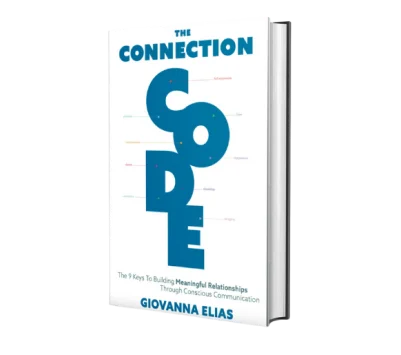
The Connection Code™ begins with this kind of intentionality: communication is not merely the exchange of information. It is the way people create safety, trust, influence, and belonging with one another.
You can also normalize repair. If you interrupt, say so. If you become defensive, own it. A simple “I got focused on explaining myself and missed what you were feeling. Can you try again?” can soften a conversation that seemed beyond saving.
Being heard is not a privilege reserved for the most articulate person in the room. Your feelings do not need to be perfectly packaged to deserve respect. Speak with honesty, ask clearly for what you need, and let your relationships show you who is willing to meet you in that truth.