
A missed birthday can feel like a small thing to outsiders. For someone living through family estrangement, it can confirm a painful story: “They do not care,” “I am safer without them,” or “There is no way back.” Family estrangement reconciliation is not about pretending that story never happened. It is about deciding, with honesty and self-respect, whether a healthier relationship can be built from where you are now.
That decision can bring hope, grief, anxiety, and anger into the same room. You may miss your mother and still remember the way she dismissed your feelings. You may want your adult child back in your life while feeling confused by the distance. You may long for a sibling relationship that does not require you to shrink, perform, or choose sides.
Reconnection is possible in some families. In others, the most loving choice is limited contact or continued distance. The goal is not reconciliation at any cost. The goal is clarity, emotional safety, and communication that tells the truth.
What family estrangement reconciliation really asks of you
Estrangement is rarely caused by one argument. More often, it is the final result of years of unresolved conflict, broken trust, boundary violations, addiction, betrayal, favoritism, criticism, or emotional neglect. Sometimes a major life event brings the fracture into focus: a divorce, a funeral, a new partner, a political conflict, an inheritance dispute, or a conversation where someone finally says, “I cannot do this anymore.”
That history matters because a simple “Can we move on?” may land as pressure rather than peace. Moving forward requires more than renewed access. It requires a different pattern.
Reconciliation also asks each person to release the fantasy of a perfect repair. You may not receive the apology you hoped for. Your relative may not remember events the way you do. A first conversation may be awkward, brief, or emotionally messy. Progress can still be real when both people show a willingness to listen, take responsibility, and honor boundaries.
Begin with your own clarity
Before sending the text, making the call, or agreeing to meet for coffee, pause. Ask yourself what you want from contact. Is it an apology? A civil relationship at holidays? A chance to know your grandchildren? An opportunity to say what was never said? Or are you feeling pressure because other relatives want the family to look whole again?
Your reason matters. When your intention is vague, it is easy to enter a conversation hungry for validation and leave feeling more wounded. When your intention is clear, you can communicate with greater confidence.
Try putting your goal into one sentence: “I would like to explore whether we can have occasional contact that feels respectful for both of us.” That is very different from, “I need us to be close again exactly as we were.” The first creates room for choice. The second can unintentionally recreate the pressure that contributed to the estrangement.
It also helps to name your non-negotiables. Perhaps you will not discuss your marriage, tolerate yelling, accept insults, or meet alone with someone who has been threatening. Boundaries are not punishments. They are the conditions that make emotional safety possible.
Reach out without demanding an answer
The first message should be simple, warm, and free of accusation. This is not the place to litigate every wound through a screen. It is an opening, not the entire conversation.
You might say: “I have been thinking about you. I know our relationship has been painful, and I respect the space you asked for. If you are ever open to a brief conversation about what a healthier connection could look like, I am willing to listen.”
Notice what this does. It acknowledges the rupture without rewriting it. It communicates care without demanding forgiveness. It gives the other person agency.
If you are the person receiving outreach, you also have choices. You do not owe an immediate response. You can ask for time, suggest email instead of a call, or say that you are open to one conversation but not ready for a full relationship. A thoughtful pace is not rejection. It is self-protection.
Have the conversation beneath the conflict
Many reconciliation attempts fail because people argue about the last incident instead of addressing the pattern underneath it. One person says, “You never came to my graduation.” The other says, “You did not invite me early enough.” Both may be defending facts while avoiding the deeper pain: “I did not feel important to you.”
Emotional intelligence changes the quality of this moment. Rather than leading with a verdict, lead with your experience. Say, “When that happened, I felt dismissed and alone. I told myself I did not matter to you. I want to understand what was happening for you.”
This does not mean minimizing harmful behavior or accepting an untrue version of events. It means speaking in a way that lowers defensiveness enough for truth to have a chance. You can be direct and compassionate at the same time.
Listening is equally active. Let the other person finish. Reflect back what you heard before explaining yourself: “You felt that I only contacted you when I needed something, and that made you feel used.” Being understood does not require agreement. But without the experience of being heard, reconciliation often becomes another power struggle.
Take responsibility without carrying everything
A meaningful apology is specific. “I am sorry you feel that way” protects the speaker more than it repairs the relationship. Compare it with: “I am sorry I criticized your parenting in front of the family. That was disrespectful, and I understand why you pulled away.”
At the same time, do not accept responsibility for harm you did not cause just to restore peace. If the other person insists that reconciliation requires you to deny your reality, absorb blame for their choices, or abandon a healthy boundary, the relationship is not yet ready for closeness.
The balance is mature accountability: own your part fully, name what you need clearly, and allow the other person to own their part.
Let trust return through small evidence
Trust does not rebuild because someone cried during one conversation. It rebuilds through repeated, observable choices. A parent calls when they say they will. A sibling stops bringing other relatives into private conflicts. An adult child answers honestly instead of disappearing when a boundary is crossed. Small moments of consistency can do more than a grand emotional promise.
Start with a level of contact both people can sustain. That might be a monthly phone call, a short lunch in a public place, or exchanging messages without discussing the most charged topics at first. Some families need structured conversations with a therapist, mediator, or communication coach, especially when old interactions quickly become reactive.
There is a trade-off here. Moving slowly can feel frustrating when you have lost years together. Yet rushing intimacy can recreate the same intensity that made distance necessary. Think of reconnection as a series of consent-based choices, not a single dramatic reunion.
Know when reconciliation is not the healthy answer
Reconciliation should never require you to return to abuse, intimidation, coercive control, or ongoing cruelty. If contact leaves you fearful, destabilized, or repeatedly violated, distance may be an act of wisdom. You can grieve the relationship you wanted while protecting the life you are building.
This is especially true when someone refuses accountability, mocks your boundaries, weaponizes vulnerability, or recruits other relatives to pressure you. Love does not require unlimited access. Forgiveness, if you choose it, does not require reconciliation.
A clear boundary can sound like: “I am not willing to continue a conversation where I am being insulted. I am ending this call now. If we speak again, it needs to be respectful.” Then follow through. Clear communication is not about finding perfect words. It is about aligning your words with your actions.
Create a new family pattern
If reconciliation is moving forward, resist the temptation to make every gathering a test of whether the family is “back to normal.” Normal may be what hurt you. Instead, create new agreements: no surprise visits, no discussing one relative through another, no yelling, no comments about bodies or finances, and permission to take a break when emotions rise.
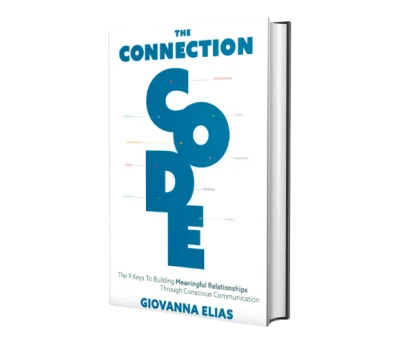
The Connection Code™ approach begins with the belief that connection grows when people feel seen, safe, and respected. In family relationships, that may mean choosing curiosity over assumption, stating needs before resentment builds, and repairing quickly when you miss each other.
You do not have to force a perfect ending to begin a healthier chapter. Let your next step be small and honest: a message written with care, a boundary stated without apology, or a decision to protect your peace. Whatever you choose, choose the path that lets you remain connected to yourself.