
You can know exactly what you meant and still watch a conversation go sideways. It happens when your partner hears criticism where you intended honesty, when a colleague reads your silence as disapproval, or when a family dinner turns tense over one familiar comment. Emotional intelligence courses help you recognize the emotional undercurrent before it takes over the room – and give you a different response to choose.
That shift matters because most communication problems are not caused by a lack of words. They are caused by fear, assumptions, old protective habits, and the pressure to be right, liked, safe, or understood. Learning emotional intelligence is not about becoming endlessly calm or agreeable. It is about staying connected to yourself while creating more room for truth, dignity, and connection with others.
What Emotional Intelligence Actually Changes
Emotional intelligence is the ability to notice, understand, and work with emotions – your own and other people’s – without allowing them to run the entire conversation. It includes self-awareness, self-regulation, empathy, motivation, and social skill. But those terms only become useful when they show up in real moments.
Imagine receiving a short message from your manager: “Can we talk?” Your body tightens. You assume you are in trouble. Instead of spiraling, overexplaining, or becoming defensive before the meeting begins, emotional intelligence helps you pause. You can name the anxiety, question the story you are telling yourself, and enter the conversation with curiosity rather than panic.
The same skill changes a disagreement at home. Rather than saying, “You never listen to me,” you may recognize that beneath your anger is hurt and a desire to feel considered. That awareness does not make the issue disappear. It makes it possible to express the issue in a way someone else can actually hear.
Why Emotional Intelligence Courses Are Worth Taking
Reading about emotional intelligence can be illuminating. Applying it when your heart is racing is another matter. Quality emotional intelligence courses create a structure for practice, feedback, and reflection so insight becomes a dependable habit rather than a good intention.
For people who avoid conflict, this can mean learning that peacekeeping and peace are not the same thing. Staying quiet may prevent a difficult moment, but it can also build resentment, confusion, and distance. A course can teach you how to bring up a concern clearly, with compassion and a boundary, before it becomes an explosion.
For people who tend to react quickly, the work often centers on creating a pause between feeling and action. That pause is powerful. It gives you the chance to ask, “What am I protecting right now?” and “What outcome do I want from this conversation?” You can still be direct. You simply stop making the other person the target of your overwhelm.
For leaders and professionals, emotional intelligence improves the conversations that determine trust: giving feedback, making decisions, managing tension, advocating for an idea, and repairing a misstep. Teams do not need leaders who never feel pressure. They need leaders who can hold pressure without spreading it.
The personal and professional overlap
It is tempting to treat workplace communication and relationship communication as separate skills. They are not. The person who struggles to ask for help at work may also struggle to state a need in a relationship. The entrepreneur who takes client feedback personally may carry the same fear of rejection into dating or family life.
The setting changes, but the emotional pattern often remains. When you learn to regulate defensiveness, listen beneath the surface, and speak with grounded confidence, the benefit follows you into the meeting room, the first date, the holiday gathering, and the conversation you have been avoiding.
What to Look for in Emotional Intelligence Courses
Not every course offers the same depth. Some are useful introductions to emotional vocabulary and workplace collaboration. Others invite more sustained transformation by addressing beliefs, body-based stress responses, communication patterns, and relationship history. The right choice depends on what you want to change.
If you are preparing for a leadership role or navigating a demanding team, a course with role-play, feedback, and conflict-resolution practice may be especially valuable. If repeated relationship patterns leave you feeling unseen, anxious, or disconnected, look for training that goes beyond corporate etiquette and makes room for vulnerability, boundaries, and emotional repair.
Strong programs usually help participants develop four practical capacities:
- Notice emotional triggers and the stories attached to them.
- Regulate intense feelings without suppressing them.
- Communicate needs, limits, and feedback with clarity.
- Listen for what another person means, not only what they say.
Be thoughtful about promises that sound too easy. Emotional intelligence is not a script that guarantees everyone will respond well. You can communicate with care and still encounter someone who is unavailable, hostile, or unwilling to take responsibility. The goal is not to control their response. The goal is to become more confident in yours.
Practice matters more than perfect language
Many people search for the perfect phrase before initiating a hard conversation. A useful course will give you language, but it will not pretend language alone solves everything. Tone, timing, nervous-system regulation, and willingness to listen all matter.
For example, “I need more support” can land very differently depending on whether it is said as an accusation, a quiet withdrawal, or a specific request. “I have been feeling overwhelmed with the household responsibilities. Can we talk about a plan that feels more balanced?” is not magic. It is simply clearer, more accountable, and easier to respond to.
The practice is learning to make that shift when you are tired, disappointed, embarrassed, or afraid. That is where repetition, reflection, and compassionate accountability make a difference.
Turning Learning Into Everyday Connection
A course is most valuable when it changes what you do on an ordinary Tuesday. Start by paying attention to your most predictable moments of disconnection. Perhaps you shut down when someone raises their voice. Perhaps you overexplain when you fear being misunderstood. Perhaps you say yes when you mean no, then resent the person who asked.
Choose one pattern and become curious about it without shaming yourself. Ask what feeling arrives first, what your body does, and what you tend to say or avoid saying. This is self-awareness in action. You cannot change a pattern you only notice after the damage is done.
Then practice a small alternative. Before replying to a charged text, take three slow breaths and name the feeling. Before a tense meeting, decide on one clear outcome and one question you want to ask. Before agreeing to another obligation, give yourself permission to say, “Let me check my capacity and get back to you.”
These choices may seem simple, but they build self-trust. Each time you respond with intention instead of reflex, you show yourself that discomfort does not have to dictate your behavior.
The Deeper Outcome: Relationships That Can Hold Truth
The real promise of emotional intelligence is not that you will never argue, feel rejected, or face an awkward moment again. It is that difficult moments no longer have to become proof that a relationship is broken or that you are incapable of handling it.
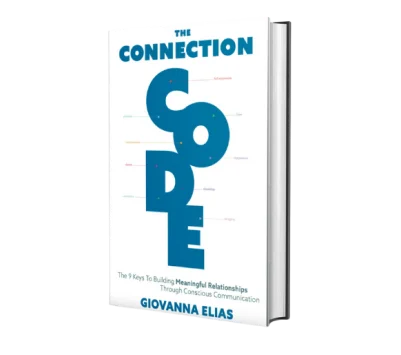
With the right tools, conflict can become information. A misunderstanding can become a repair. A boundary can become an act of respect for both people. This is the kind of communication transformation supported by frameworks such as The Connection Code™: learning to bring clarity, confidence, compassion, and presence into the conversations that shape your life.
You do not need to wait until a relationship is in crisis, a work dynamic is unbearable, or your confidence has reached its limit. Start with the next conversation that matters. Notice what you feel, honor what is true, and speak in a way that gives connection a real chance to grow.