
A disagreement rarely begins with the words that hurt the most. It begins when one person feels dismissed, another feels blamed, and both start protecting themselves instead of listening. Conflict resolution coaching helps you recognize that turning point early, so a hard conversation does not have to become another painful pattern in your relationship, family, or workplace.
The goal is not to become someone who never disagrees. Healthy relationships need room for different needs, opinions, boundaries, and experiences. The real shift is learning how to remain connected to yourself and respectful toward the other person when the stakes feel high.
What Conflict Resolution Coaching Actually Changes
Many people believe conflict is a communication problem. Sometimes it is. More often, conflict is a nervous-system problem, a self-worth problem, or an old relational wound showing up in a current conversation.
Consider the couple who keeps arguing about household responsibilities. On the surface, the issue is dishes, schedules, or who forgot what. Beneath it, one partner may be saying, “I do not feel supported,” while the other hears, “You are failing me.” The conversation quickly turns into defense, withdrawal, criticism, or silence.
At work, the same pattern can appear in a different outfit. A manager gives direct feedback, an employee feels embarrassed, and the employee becomes distant or defensive. A colleague interrupts in a meeting, and resentment builds for weeks because no one addresses it clearly. The conflict is not resolved by finding the perfect script alone. It changes when people can identify their emotional reaction, communicate their actual need, and stay present through discomfort.
Conflict resolution coaching brings those pieces together. It helps you develop practical language while also strengthening the inner capacity to use it when you are upset. You learn to separate facts from assumptions, speak without attacking, listen without surrendering your perspective, and set boundaries without guilt.
Why Smart, Caring People Still Avoid Conflict
Conflict avoidance is not a character flaw. It is often a learned form of protection. Perhaps growing up, disagreement led to yelling, rejection, punishment, or emotional distance. Perhaps you learned that being agreeable was the safest way to belong. Maybe your professional success has depended on being seen as easygoing, capable, and unbothered.
The problem is that avoidance does not create peace. It creates a delay. The conversation you avoid at the family dinner can become resentment that colors every interaction. The concern you do not raise with your business partner can turn into mistrust. The boundary you do not state in a new relationship can become an expectation you feel trapped by later.
On the other side, some people do not avoid conflict at all. They move toward it quickly, intensely, and with the belief that being heard requires being forceful. This response often comes from the same place: fear of being overlooked, powerless, or misunderstood.
Neither pattern makes you broken. Both are invitations to build a new way of relating. You can be compassionate without abandoning yourself. You can be direct without becoming harsh.
The Core Skills Behind Better Conflict Resolution
Regulate before you respond
When your body reads a conversation as a threat, your thinking narrows. You may interrupt, shut down, overexplain, raise your voice, or say something designed to win rather than connect. No communication tool works well when your system is flooded.
Before responding, create a small pause. Feel your feet on the floor. Slow your breath. Notice the urge to prove, fix, flee, or retaliate. If you need time, say so with care: “I want to talk about this well, and I need 20 minutes to settle before we continue.”
A pause is not avoidance when you clearly commit to returning. It is emotional leadership.
Name the real issue without accusation
Blame makes people defend themselves. Clarity gives them something they can respond to.
Compare “You never respect my time” with “When our plans change at the last minute without a message, I feel overlooked. I need us to communicate changes earlier.” The second statement does not guarantee agreement, but it makes connection more possible. It names a behavior, an emotional impact, and a specific need.
This is especially valuable when a conversation has a long history. Stay with the present issue whenever possible. Bringing ten old hurts into one discussion may feel honest, but it often overwhelms the chance of resolution. Address patterns, yes, but do so one piece at a time.
Listen for meaning, not ammunition
Listening does not mean agreeing with everything someone says. It means being willing to understand the experience behind their words before you build your case.
Try reflecting back what you hear: “It sounds like you felt alone in that decision.” Or, “You are saying this was not about the deadline. It was about feeling excluded.” A person who feels accurately heard is more likely to lower their guard. That does not erase accountability or boundaries. It creates the conditions for a real exchange.
At times, the other person may communicate poorly. They may be vague, angry, or unfair. You can still listen for the feeling and need beneath their delivery while holding a boundary around disrespect. For example: “I want to understand what is upsetting you, but I am not willing to keep talking while we are calling each other names.”
Make requests that can be acted on
“I need you to care more” expresses pain, but it is difficult to act on. A clear request sounds different: “Can we spend 15 minutes on Sunday planning the week so neither of us is carrying it alone?”
Specific requests reduce mind-reading. They also reveal whether the conflict is a communication gap or a deeper mismatch in willingness, values, or capacity. That distinction matters. Not every conflict ends in agreement, and not every relationship can meet every need. Resolution can sometimes mean reaching a workable compromise. Other times, it means accepting a difference and choosing a boundary that protects your well-being.
When a Conversation Feels Impossible
There are moments when a communication tool is not enough by itself. If there is intimidation, coercion, ongoing contempt, manipulation, or fear for your emotional or physical safety, the priority is not better dialogue. The priority is support, safety, and clear boundaries.
For everyday relationship tension, though, the hardest conversations often become more manageable when you stop trying to solve everything in one sitting. Begin with one truth. Ask one sincere question. Make one clear request. A meaningful repair can start with, “I do not like how we left that conversation. I want to understand what happened for both of us.”
In leadership settings, this may mean addressing an issue while it is still small. In marriage, it may mean talking before resentment becomes sarcasm. In dating, it may mean expressing your needs before you become attached to an imagined future. In families, it may mean stepping out of the role you were assigned years ago and speaking as the adult you are now.
How Coaching Creates Lasting Change
Reading a helpful phrase can bring immediate relief. Applying it when your mother criticizes you, your partner withdraws, or your colleague challenges you in front of the team is another matter. That is where personalized coaching can make a profound difference.
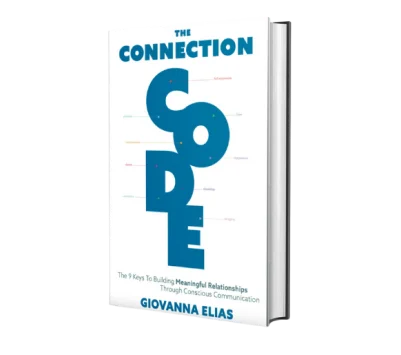
A coaching process gives you space to notice your repeated conflict pattern without shame. You can explore what activates you, practice language that feels natural in your voice, and learn how your body signals that you are moving into fight, flight, freeze, or fawn. Through frameworks such as The Connection Code™, communication becomes more than a performance. It becomes a way of relating with clarity, confidence, compassion, and self-respect.
The work is not about becoming perfectly calm or endlessly accommodating. It is about becoming more conscious in the moments that once controlled you. You begin to recognize that a disagreement is not automatically rejection, feedback is not automatically failure, and a boundary is not automatically a threat to connection.
The next difficult conversation may still bring a flutter of anxiety. Let it. You do not need to wait until you feel fearless to speak with honesty and care. You only need the willingness to stay connected to yourself while you reach toward a more truthful connection with someone else.