
A conversation can change the direction of a relationship in minutes. It can turn a tense meeting into shared understanding, help a couple stop repeating the same painful argument, or give you the words to set a boundary without guilt. Yet when emotions rise, most people fall back on familiar patterns: shutting down, overexplaining, people-pleasing, criticizing, or saying nothing at all. Communication coaching programs exist to help you recognize those patterns and replace them with choices that create clarity, confidence, and connection.
The right program does more than give you polished phrases for difficult moments. It helps you understand what happens inside you before the words come out. When you can regulate your nervous system, identify what you truly need, and speak with compassion and conviction, communication stops feeling like a performance. It becomes a way to be known, respected, and emotionally safe with others.
Why Communication Problems Follow You Everywhere
Many people assume they have separate problems in different areas of life. They are quiet in meetings but frustrated in their marriage. They feel confident with friends but anxious on dates. They can lead a team but cannot tell a parent, sibling, or partner, “That hurt me.”
Usually, the thread is not a lack of intelligence or good intentions. It is a communication pattern. Perhaps you learned that conflict means rejection, so you avoid necessary conversations until resentment builds. Perhaps you learned to earn approval by being agreeable, so your yes does not always mean yes. Perhaps you become defensive when you feel misunderstood because criticism once felt unsafe.
These patterns are human. They are also changeable.
A meaningful coaching experience looks beneath the surface behavior. Instead of only asking, “What should I say?” it also asks, “What am I afraid will happen if I say it?” That question matters when you are preparing for a salary conversation, confronting disrespect from a colleague, asking your spouse for more support, or telling a new partner what you want.
What Effective Communication Coaching Programs Teach
Strong communication is not about winning an argument, sounding charismatic every second, or becoming endlessly calm. It is about staying connected to yourself while making room for another person’s perspective. This requires practical skill, emotional awareness, and repeated practice.
Clear self-expression without blame
When people feel hurt, they often lead with accusation: “You never listen,” “You do not care,” or “You always make everything about you.” The other person hears an attack and prepares a defense. The original concern gets lost.
Coaching teaches you to name your experience with ownership. You might say, “When our plans change at the last minute, I feel unimportant. I need more notice so I can feel considered.” This does not guarantee agreement. It does make a real conversation more likely.
Clear self-expression also means being specific. “I need better communication” is vague. “Please tell me by Thursday if you will be working late Friday” gives the other person something they can understand and respond to.
Emotional intelligence in charged moments
The hardest conversations rarely fail because people do not know the correct script. They fail because one or both people become flooded. Your heart races. Your mind goes blank. You feel an urgent need to prove your point, leave the room, fix everything, or say something sharp.
Emotional intelligence helps you notice that moment sooner. Rather than reacting from it, you learn to pause, breathe, name what is happening, and choose your next response. Sometimes the most confident thing you can say is, “I want to continue this conversation, and I need ten minutes to settle before I can do it well.”
This is not avoidance when you follow through. It is self-leadership.
Listening that creates real connection
Feeling heard is one of the deepest human needs. Yet listening is often confused with waiting for your turn to talk. In conflict, many people listen for errors, weaknesses, or evidence that they are being blamed.
A skilled listener pays attention to both content and emotion. They can reflect back what they heard without immediately agreeing: “I can see that you felt alone when I stayed late at work.” That one sentence can lower defensiveness because it tells the other person their experience has landed.
Listening is not surrender. You can validate someone’s feelings while holding a different view of the facts, your intentions, or what needs to happen next.
Boundaries that protect connection
A boundary is not a punishment, threat, or attempt to control another person. It is a clear statement of what you will participate in and what you will do if a line is crossed. It can sound like, “I am willing to talk about this, but I will not stay in a conversation where I am being yelled at.”
For people who have spent years keeping the peace, boundaries can feel uncomfortable at first. Discomfort does not mean you are doing something wrong. It may mean you are no longer abandoning yourself to avoid someone else’s reaction.
The Difference Between Advice and Transformation
A friend may offer excellent advice. A podcast episode may give you a sentence that changes your next conversation. Both can be helpful. But lasting change usually asks for more than insight.
You need a space to see your blind spots without shame, practice a new response, and examine what happens when old fears return. That is where coaching can be powerful. It turns abstract knowledge into behavior you can access during a family dinner, a performance review, a first date, or an argument at 11 p.m. when neither person feels especially wise.
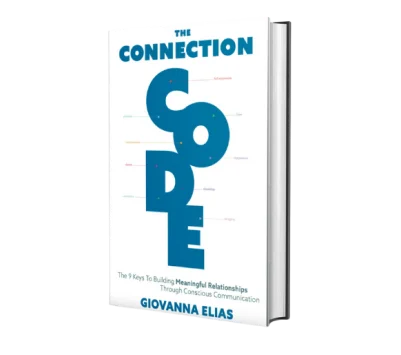
Programs such as The Connection Code™ approach communication as a whole-person practice. Your language matters, but so do your beliefs, emotional triggers, body signals, relationship history, values, and sense of self-worth. A confident voice is easier to access when you believe your needs are worthy of being expressed.
This integrative approach is especially valuable for people who have tried communication tips before and wondered why nothing truly shifted. The issue may not be that the tips were wrong. You may need support connecting the tool to the emotional pattern that keeps interrupting its use.
How to Choose a Program That Fits Your Needs
Not every coaching program is designed for the same goal. Some focus primarily on public speaking or executive presence. Others center on couples, dating, workplace conflict, or social confidence. There is no single best choice. The right fit depends on where communication feels costly in your life and whether the program can address the deeper pattern beneath it.
Look for a program that combines education with practice. Understanding active listening is useful. Rehearsing how to use it when your manager dismisses your idea is far more useful. The same is true for boundaries, repair after conflict, direct requests, and receiving feedback.
Pay attention to whether the approach leaves room for your personality. You do not need to become louder, more extroverted, or more forceful to be a powerful communicator. Quiet people can be deeply compelling when their words are grounded, direct, and sincere. Expressive people can remain warm and vibrant while learning to slow down and listen.
It also helps to consider the level of support you need. A self-paced course can work well if you are motivated, have a clear goal, and want to learn on your own schedule. One-to-one coaching may be a better choice if you are navigating a sensitive relationship, leadership challenge, recurring conflict, or a pattern that feels deeply rooted. Group programs offer a different gift: the chance to practice with others and realize you are not alone in what you find difficult.
What Progress Actually Looks Like
Progress is not never feeling nervous. It is noticing your nerves without allowing them to run the conversation. It is saying, “I need time to think about that,” instead of agreeing under pressure. It is asking a clarifying question rather than assuming the worst.
At home, progress may look like recovering from conflict faster and speaking about needs before resentment takes over. At work, it may look like contributing your perspective in a meeting, giving feedback with care, or addressing a colleague directly rather than venting to everyone else. In dating and friendship, it may look like choosing honesty over mixed signals and asking for the kind of connection you genuinely want.
There will still be misunderstandings. Every meaningful relationship has them. The difference is that you become more capable of repair. You stop treating tension as proof that a relationship is broken and begin treating it as information about what needs attention.
The next conversation you are avoiding does not require a perfect script. It requires your willingness to be present, honest, and kind to yourself as you practice. Start there. A clear sentence, a steady breath, and a respectful boundary can become the beginning of a relationship that feels far more like home.