
A couple can share a home, a calendar, a bed, and a hundred daily logistics while feeling profoundly alone. The distance rarely begins with one dramatic fight. More often, it appears in the unanswered question, the distracted “I’m fine,” the joke that carries a sting, or the conversation postponed until there is never a good time.
So, why do couples disconnect? Usually, it is not because love disappeared overnight. Disconnection grows when emotional needs go unnamed, conflict feels unsafe, and two people begin protecting themselves instead of reaching for one another. The good news is that these patterns can be understood, interrupted, and changed.
Why Do Couples Disconnect Over Time?
Connection is not sustained by affection alone. It is sustained through repeated moments of attention, honesty, repair, and emotional safety. When those moments become inconsistent, partners can slowly stop feeling seen.
This does not mean every relationship should look the same. Some couples need frequent verbal reassurance; others feel most loved through practical support, shared time, physical affection, or humor. The problem is not having different needs. The problem is expecting your partner to read needs that have never been clearly expressed.
A demanding season at work, parenthood, financial pressure, illness, grief, or caregiving can also reduce a couple’s emotional bandwidth. Stress does not automatically create distance. But when stress becomes the only thing discussed, the relationship can begin to feel like a project to manage rather than a place to rest.
1. They Communicate Logistics but Not Inner Experience
“Can you pick up dinner?” “Did you pay the bill?” “Who is taking the kids tomorrow?” These conversations matter. Yet when logistics replace emotional conversation, partners may function well as a team while losing their sense of intimacy.
Inner experience sounds different: “I felt dismissed when that happened.” “I’ve been overwhelmed and I do not know how to ask for help.” “I miss feeling close to you.” These statements require vulnerability, and vulnerability can feel risky when someone fears being criticized, minimized, or met with silence.
The first shift is simple but powerful: make room for a conversation that is not about solving a task. Ask, “What has been weighing on you lately?” Then stay present long enough to hear the answer without immediately fixing it.
2. Conflict Becomes a Contest Instead of a Conversation
Many couples do not disconnect because they argue. They disconnect because of how they argue. When conflict becomes about proving who is right, winning the point, or assigning blame, both people leave the conversation feeling less safe.
Defensiveness often hides something more tender: shame, fear of failure, fear of rejection, or the belief that admitting fault means losing power. A partner may respond to “I felt hurt” with “Well, you hurt me too” because accountability feels threatening in the moment.
Conflict resolution begins when each person can hold two truths at once. Your feelings are real, and your partner’s experience may be real too. This does not require agreement on every detail. It requires the maturity to become curious before becoming certain.
Try replacing accusations with impact. Instead of, “You never listen to me,” say, “When I was speaking and you looked at your phone, I felt unimportant.” The second statement gives your partner a clear opportunity to understand and respond, rather than defend against a character judgment.
3. Unspoken Resentment Starts Doing the Talking
Resentment is often a collection of small disappointments that were never addressed directly. One person repeatedly takes on more household labor. Another feels criticized for every mistake. Someone says yes to plans they do not want, then withdraws or becomes irritable later.
At first, people may stay quiet to keep the peace. But peace built on self-abandonment is fragile. What goes unspoken tends to surface through sarcasm, coldness, scorekeeping, avoidance, or a reaction that seems too large for the immediate issue.
Healthy boundaries are not punishments. They are clear information about what you need in order to participate with openness and respect. “I want to help, but I cannot carry this alone.” “I need us to speak without insults.” “I need twenty minutes to calm down, and I will come back to this conversation.” These are invitations to create a healthier relationship structure.
4. They Stop Making Repair After Hurtful Moments
Every close relationship includes misattunement. You misunderstand each other. One of you is distracted. A harsh tone slips out during a stressful day. The difference between couples who grow closer and couples who grow apart is not perfection. It is repair.
A meaningful repair is more than saying, “Sorry you feel that way.” It names what happened, acknowledges the impact, and communicates a different intention moving forward. “I interrupted you and made your concern sound unimportant. I understand why that hurt. I want to hear you fully now.”
Repair restores emotional safety because it tells your partner, “Your pain matters to me, even when I did not mean to cause it.” Without repair, hurts accumulate and each new disagreement may carry the weight of old, unresolved ones.
5. Emotional Safety Has Been Replaced by Criticism or Avoidance
People open up where they feel safe. If sharing a concern leads to mockery, dismissal, interrogation, yelling, or a week of emotional withdrawal, a partner learns to keep their internal world private.
Avoidance can be just as distancing as criticism. One partner may shut down because they are flooded and do not have the tools to regulate. The other may pursue harder, asking for answers, reassurance, or resolution immediately. This creates a painful cycle: the more one person pursues, the more the other retreats; the more the other retreats, the more urgent the pursuit becomes.
Neither role makes someone the villain. Both are often attempts to manage fear. The work is to slow the cycle down. Name it together: “We are stuck. You are pulling away, and I am pushing because I feel scared. Let’s take a pause and return when we can both stay present.”
A Pause Is Not Abandonment
A pause only builds trust when it includes a return. Walking away without a word can feel like rejection. Taking a regulated break with a clear commitment is different: “I need thirty minutes to settle myself. I will come back at 7:30, and we will continue.”
This practice transforms conflict from an emotional emergency into a conversation both people can survive with dignity.
6. They Assume Intent Instead of Asking Questions
Disconnection thrives on stories we create in silence. “They do not care.” “She is trying to control me.” “He does not find me attractive anymore.” Sometimes those stories point to a real issue. Often, they are interpretations built from incomplete information.
Curiosity creates another path. Ask, “What was happening for you when you said that?” or “Can you help me understand what you meant?” A question does not erase your feelings. It gives you more accurate information before you decide what those feelings mean.
This matters in romantic relationships and beyond them. The same communication habit that creates tension at home can follow someone into a leadership meeting, family dinner, or friendship. Learning to separate observation from assumption is one of the most valuable forms of emotional intelligence.
7. They Wait for Connection to Feel Effortless Again
Early attraction can make connection feel automatic. Later, life asks more of a relationship. Intimacy becomes a practice, not because the relationship is broken, but because two evolving people need to keep meeting each other anew.
That may mean protecting a weekly hour without screens, sharing a daily check-in, expressing appreciation out loud, or having a conversation about affection and desire without shame. The right ritual depends on the couple. What matters is consistency and sincerity, not a picture-perfect routine.
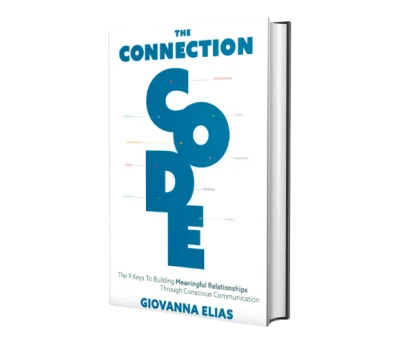
The Connection Code™ teaches that confident, compassionate communication is not reserved for calm moments. It is most transformative when emotions are high and the stakes feel personal. You do not need flawless words. You need a willingness to tell the truth with care and hear the truth without turning away.
How to Begin Reconnecting
Start smaller than you think. Choose one recent moment of distance and speak about it without building a case against your partner. Name your feeling, the specific situation, and the need beneath it. Then ask for a conversation, not a verdict.
You might say: “I have felt far from you this week. When we only talk about what needs to get done, I start to feel like we are roommates. Could we spend twenty minutes tonight just checking in with each other?”
If the relationship includes repeated contempt, intimidation, manipulation, threats, or emotional or physical abuse, communication skills alone are not the answer. Safety and specialized support come first. In otherwise caring relationships, however, the path back often begins with one person choosing clarity over silence and connection over being right.
The next conversation does not have to repair everything. Let it simply be a place where both of you can feel a little more seen than you did yesterday.