
A difficult conversation at work rarely stays at work. You replay what your manager said during dinner. You hesitate before speaking up in a meeting. You feel frustrated when a colleague misunderstands your intention, yet you cannot find words that make things better. A communication coach for professionals helps you change those moments at their source: how you understand yourself, relate to others, and choose your response when the stakes feel high.
This is not about becoming the loudest person in the room or memorizing polished corporate phrases. It is about learning to speak with clarity without abandoning compassion, hold boundaries without becoming cold, and address conflict before resentment begins to shape the relationship.
When a communication coach for professionals can help
Many capable people seek coaching after a visible problem: a tense conversation with a direct report, feedback that landed badly, a presentation that did not reflect their expertise, or a pattern of being overlooked. But the deeper issue is often more familiar and more personal.
Perhaps you avoid asking for what you need because you do not want to seem difficult. Maybe you overexplain in meetings, then leave feeling you have weakened your own point. You may keep the peace with a colleague while quietly carrying irritation for weeks. Or you may become so direct under pressure that people hear criticism where you intended efficiency.
These patterns do not mean you are a poor communicator. They usually mean your nervous system has learned a protective strategy. Some people become quiet to avoid rejection. Others perform, please, defend, or control when they fear being dismissed. Those strategies may have helped you in earlier relationships, but they can create distance in leadership, teamwork, networking, and at home.
A skilled coach looks beyond surface-level scripts to help you recognize the emotional pattern underneath your words. From there, you can build communication habits that feel authentic rather than rehearsed.
Communication is more than speaking well
Professional communication is often reduced to presentation skills, executive presence, or knowing how to write a concise email. Those skills matter. Yet a beautifully structured message cannot repair a conversation if the other person feels unseen, blamed, or unsafe.
Real communication includes the words you choose, your tone, timing, body language, assumptions, listening, and ability to regulate yourself. It also includes what happens after someone disagrees with you. Can you stay curious? Can you ask a clarifying question instead of defending your position? Can you name a concern without making the other person the problem?
Consider a manager who says, “I need this done correctly.” The words may be simple, but they can create anxiety if the employee does not understand what “correctly” means or fears being judged for asking. A more conscious approach might be: “The client is especially focused on accuracy here. Let’s review the two standards that matter most, and please bring questions early so we can solve them together.”
The difference is not softness. It is clarity paired with emotional intelligence. People perform better when expectations are concrete and dignity is protected.
The workplace brings personal patterns to the surface
A promotion, a performance review, a job interview, or a conflict with a business partner can activate the same fears that arise in marriage, family dynamics, or social settings. The fear of being misunderstood. The fear of upsetting someone. The fear that being honest will cost you connection.
That is why communication growth should not separate the professional from the personal. The confidence to state a boundary with a demanding client can support a healthier conversation with a family member. Learning to listen without rushing to fix can strengthen both a team relationship and a romantic partnership. You are the same person in every room, even when the role changes.
What coaching can change in everyday conversations
The most meaningful results are often quiet at first. You pause before replying to a triggering email. You ask for a meeting instead of allowing tension to build through messages. You stop apologizing for a reasonable request. You leave a difficult conversation feeling grounded instead of depleted.
Over time, those moments create visible professional change. You become easier to trust because your communication is consistent. Colleagues understand where you stand. Your feedback becomes more useful because it is specific and respectful. You can advocate for an idea without turning disagreement into a personal battle.
For leaders, this work has an even wider effect. Teams do not need perfection from a leader. They need direction, fairness, accountability, and the sense that concerns can be raised without punishment. A leader who can hear hard feedback, repair a misstep, and communicate decisions clearly creates an environment where people contribute more honestly.
For entrepreneurs and independent professionals, communication coaching can transform sales conversations, partnerships, networking, and client expectations. Confidence does not mean forcing a connection. It means being able to explain your value clearly, ask thoughtful questions, and recognize when a relationship is not the right fit.
The skills worth practicing
Coaching is most effective when insight becomes practice. You may understand that conflict avoidance is holding you back, but change happens when you learn what to say in the actual conversation you have been postponing.
One foundational skill is making clean requests. Rather than hoping someone notices your workload, name the need and the desired next step. Instead of saying, “I have a lot going on,” try, “I can complete this by Thursday. If it needs to be done by Tuesday, I will need support with the client revisions.” Clear requests replace resentment with shared responsibility.
Another is learning to separate observation from interpretation. “You interrupted me twice in the meeting” is an observation. “You do not respect me” is an interpretation. The first opens a conversation. The second may invite defensiveness, even if the underlying hurt is real. Coaching helps you express the impact without diluting your experience: “When I was interrupted, I lost my train of thought and felt my contribution was not being considered. I want us to make room for each person to finish.”
Listening is equally active. Listening well does not require agreement, silence, or self-abandonment. It means giving someone enough space to reveal what they mean before preparing your response. A simple question such as “What feels most important to you about this?” can shift a stuck disagreement into a more honest exchange.
Boundaries matter, too. A boundary is not a threat or an attempt to control another person. It is a clear statement of what you will do to protect your time, energy, values, or capacity. “I am available to discuss this during business hours” is more effective than answering late-night messages with growing frustration. The goal is not to become rigid. It is to become reliable.
Choosing the right kind of communication support
Not every communication challenge needs the same solution. A presentation coach may be the best choice if your primary goal is preparing for a keynote or interview. A corporate training program may help when an entire team needs a shared framework. Therapy can be vital when unresolved trauma, anxiety, or mental health concerns are deeply affecting your daily life.
A personal and professional communication coach is especially valuable when the issue crosses contexts. You may want to lead more confidently at work while also becoming less reactive in your marriage. You may need practical language for a workplace conflict while exploring why confrontation feels so threatening in the first place.
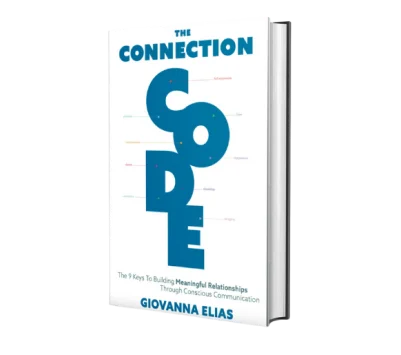
Look for a coach who combines practical tools with a respectful understanding of human behavior. The strongest work does not shame you for your patterns. It helps you meet them with awareness, then choose a more empowered response. A structured approach such as The Connection Code™ can be helpful because it gives you a repeatable way to build clarity, confidence, compassion, and genuine connection across the relationships that matter.
Let your next conversation be different
You do not have to wait for a conflict to become unbearable before changing how you communicate. Begin with one conversation you have been avoiding. Get clear on the outcome you want, the feeling you want to create, and the truth you are ready to express with respect.
Your voice does not need to be sharper to be heard. It needs to be more honest, more grounded, and more connected to the person you are becoming.